

Busy parents juggling work, caregiving, and school drop-offs often wonder how to raise confident kids without turning every moment into a lesson. The tension is real: parenting for leadership can sound like pressure, yet early childhood development is already shaping how children speak up, handle feelings, and respond to limits. In these early years, leadership skills in children grow from small daily choices, especially through steady parental role modeling that teaches respect, responsibility, and empathy. Over time, that foundation supports healthier child behavioral growth and a clearer sense of the importance of leadership.
Understanding the Leadership Skills You’re Building
Leadership at home is less about being “in charge” and more about a set of everyday strengths you can practice with your child. Think emotional intelligence, clear communication, healthy self-confidence, responsibility and accountability, plus teamwork habits like listening and taking turns.
These qualities matter because they shape how kids handle big feelings, speak up respectfully, and follow through when things get hard. Over time, those basics support better friendships, smoother routines, and a stronger sense of “I can figure this out,” especially since emotional intelligence influences 60% of personal and professional achievements.
Picture a sibling argument over a toy: one child names the feeling, uses words to negotiate, accepts a fair rule, and helps clean up after. That mix mirrors effective teamwork even in a small family moment. With the building blocks clear, a real-life role-model spotlight makes the path feel achievable.
Model Growth: Show Leadership Through Lifelong Learning at Home
When kids see leadership as something you practice, not just talk about, they learn what growth looks like in real life. One powerful way to model that is pursuing an online degree to strengthen your skills and improve your career prospects, even while family life is full. If your path leads you toward a healthcare degree, you can also show what it means to serve others by making a positive impact on the health of individuals and families (and if you want a concrete example of options, give this a scan). Because an online degree can offer flexibility, you can balance work, learning, and parenting in a way your child can actually observe, planning, follow-through, and resilience in action.
Use 7 Everyday Routines to Build Confidence and Accountability
Leadership at home doesn’t have to be a “big talk.” When kids get small, repeated chances to choose, follow through, and repair mistakes, confidence and accountability grow the same way your own lifelong-learning goals grow, through consistent practice.
- Assign one “owned” daily job: Pick a task your child can fully manage (feeding a pet, setting out tomorrow’s clothes, packing their snack) and make it theirs for two weeks. Your role is to define the standard once (what “done” looks like) and then step back, this is encouraging independence without setting them up to fail. When they forget, guide them to fix it rather than rescuing; that follow-through is where accountability forms.
- Use a 10-minute Sunday goal huddle: Help with goal setting for kids by choosing one goal that’s specific and observable for the week (read 10 pages on four days, practice a skill for 15 minutes three times, contribute one idea to a family project). Write it down, ask what might get in the way, and let your child choose a simple reminder. Tie it to what they see you doing with your own learning (planning, practice time, and adjusting when life happens).
- Offer “two good choices” daily: Build decision-making skills by giving limited options you can live with: “Homework before or after a snack?” “Shower now or in 20 minutes?” This keeps you as the safety net while letting them steer, which letting kids make decisions can do by strengthening a child’s sense of agency. Over time, increase the responsibility, choices about budgeting their allowance, planning part of a meal, or selecting an after-school commitment.
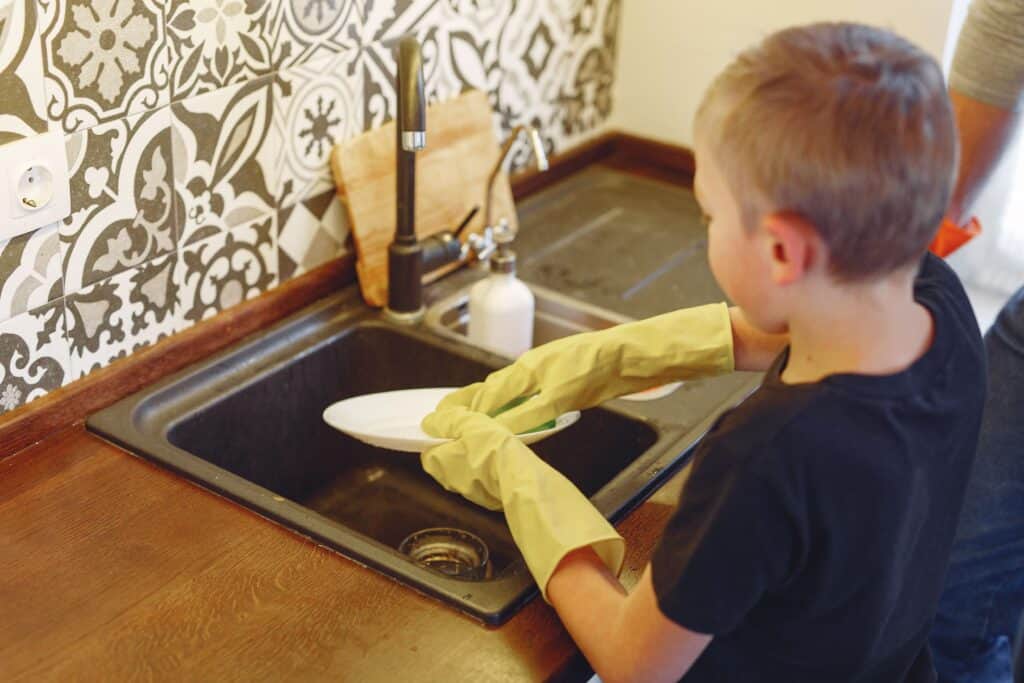
- Run one cooperation exercise during chores: Turn “helping” into teamwork once or twice a week: one person sorts, one washes, one dries; or one reads recipe steps while the other measures. Rotate roles so your child practices leading and supporting. End with a 30-second debrief: “What worked? What should we change next time?”, a simple way to build cooperation and shared ownership.
- Teach the 3-step conflict script: When siblings or friends clash, coach a repeatable process: (1) state the problem, (2) share a feeling, (3) propose a fix. PBS offers a concrete starting point, kids can use ‘I feel’ statements to explain impact without blaming, which lowers defensiveness and keeps the focus on solutions. Practice when everyone is calm so it’s easier to use in the moment.
- Hold a quick “repair and redo” after mistakes: If your child breaks a rule, skips a chore, or speaks disrespectfully, keep consequences connected to repair. Ask: “What needs to be made right?” and “What will you do differently next time?” This moves the focus from punishment to responsibility, owning outcomes, rebuilding trust, and making a plan.
- Give a weekly leadership moment at the table: Let your child lead one small family routine, choose a discussion question, plan a simple game, or summarize something they learned this week (a book, a skill, a new fact). It’s low-pressure public speaking and organization practice, and it reinforces that learning and leadership belong to everyone in the house.
Leadership at Home: Questions Parents Ask
Q: What if my child refuses or argues about responsibility?
A: Start smaller than you think and make the first win easy. Offer two acceptable options and let them choose the timing or method, then calmly follow through on the expectation. If they push back, reflect what you heard and return to the choice instead of debating.
Q: How do I balance guiding my child with giving them freedom?
A: Give a clear boundary and a clear goal, then let your child decide the steps. Check in briefly, not constantly, and save your feedback for the end so they can learn from the outcome. Freedom works best when the “non-negotiables” are simple and consistent.
Q: When should I step in versus letting them struggle a bit?
A: Step in when safety, respect, or major consequences are on the line; otherwise, coach with questions. Ask, “What’s your plan?” and “What do you want to try next?” so they practice solving without feeling controlled.
Q: Can shy or quiet kids still build leadership skills at home?
A: Yes, leadership is not only about being loud; it’s about influence, initiative, and follow-through. The idea of developing their own leadership capacity fits quiet kids too when they take responsibility and help others succeed.
Q: How do I motivate my child without rewards for everything?
A: Connect the task to something they care about, like being trusted or helping the family run smoothly. Notice effort and impact out loud, then invite reflection: “What helped you get it done?” Over time, purpose and competence become the reward.
Choose One Weekly Practice to Grow Confident Kid Leaders
Even with the best intentions, day-to-day stress and pushback can make it hard to nurture leadership without sliding into control or giving up. The steady path is a supportive parenting approach rooted in clear expectations, shared responsibility, and consistent leadership nurturing, small moments repeated, not big speeches. Over time, kids start to make choices, solve problems, and recover from mistakes with less fear and more ownership, strengthening long-term child development. Leadership grows in kids when adults stay consistent, not when everything goes perfectly.
