

Parents of young children and community volunteers often watch a familiar shift: a child who once asked endless questions starts waiting to be told what to do. Between busy schedules, school pressures, and the constant tug-of-war over attention, it can feel easier to push compliance than to make room for wonder. The cost is quiet but real, children’s natural curiosity gets treated like a distraction instead of a strength. When curiosity is protected, everyday questions become the seed of self-motivated learning, and kids show up as more engaged learners. Fostering a love of learning starts with honoring what children already bring.
Understanding Curiosity-Driven Learning
Curiosity-driven learning happens when a child learns because they genuinely want to know. Intrinsic motivation is that inner spark that says, “I want to figure this out,” not “I have to.” It grows when kids feel safe to ask, try, and change their minds.
This matters because pressure and constant “shoulds” can shrink risk-taking and creative thinking. When interest leads, children build stronger attention, problem-solving, and confidence over time. For parents and volunteers, it also means fewer power struggles and more real ownership.
Picture a child building a tower that keeps falling. A reward might get one more attempt, but curiosity keeps them testing new shapes and angles. Your calm questions and patience help their brain practice persistence.
That same spark can be supported with simple materials and gentle routines at home.
Set Up a “Yes Space” for Learning in 30 Minutes
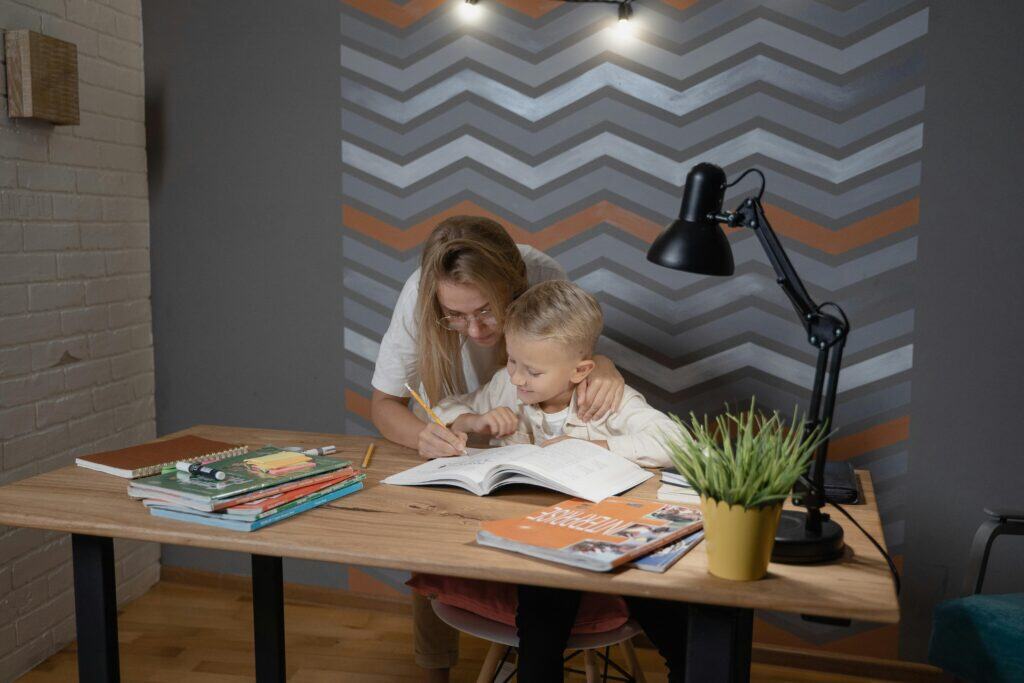
A “Yes Space” is a small area where your child can explore safely and independently, without needing constant permission or reminders. It supports curiosity-driven learning because it makes following a question (“What happens if…?”) easy in the moment.
- Pick one calm corner and make it predictably available: Choose a spot that doesn’t get a lot of traffic, since interruptions make it harder for kids to stay with their own ideas. A quiet place for learning can be as simple as a corner of a bedroom or a small table in a hallway nook. Keep this space “always open” when possible, so your child learns they can start exploring without waiting for you.
- Do a 10-minute safety-and-independence sweep: Put the materials you want them to touch on the lowest shelf or in an open bin, and move “ask first” items up high. Aim for three easy categories: make (paper, crayons, tape), build (blocks, connectors), and think (puzzles, matching cards). When kids can reach things without help, they practice self-starting, a core piece of intrinsic motivation.
- Create a tiny “book nest” with just 8–12 rotating books: Gather a mix: a few favorites, a few “just right” reads, and a couple of stretch books with rich pictures or facts. Face covers outward in a small basket so the choices feel inviting, not like homework. Rotate weekly using the library or swaps with other families to keep novelty high without buying more.
- Stock one open-ended “creation kit” instead of lots of toys: Open-ended materials invite many right answers, which is exactly what curiosity loves. Include scissors (child-safe), glue, scrap paper, reusable containers, markers, a ruler, and a small notebook for “designs.” This also supports leadership skills: kids plan, test, adjust, and explain what they made.
- Add two hands-on learning activities you can reset in under 3 minutes: Keep a small bin labeled “Try This” with simple prompts: a magnifying glass with three items to inspect, a bowl of mixed buttons to sort, or a paperclip-and-straw challenge to build the tallest structure. The goal is quick entry, your child can start experimenting while you make dinner or answer an email.
- Build independent reading habits with a 5-minute “same time, same place” routine: Choose one cue, after breakfast, right before bed, or right after school snack, and keep it short to reduce resistance. Start with “You pick the book, I’ll sit nearby,” then gradually shift to “Read to yourself; tell me one interesting thing you noticed.” When reading feels like a calm daily option, kids are more likely to return to it on their own.
A simple “Yes Space” doesn’t need to be big or expensive, it just needs to make exploring easier than avoiding it. With a few steady materials and gentle routines, questions start turning into everyday habits your child can lead.
Curiosity-Building Habits You Can Repeat
Start small and keep it steady.
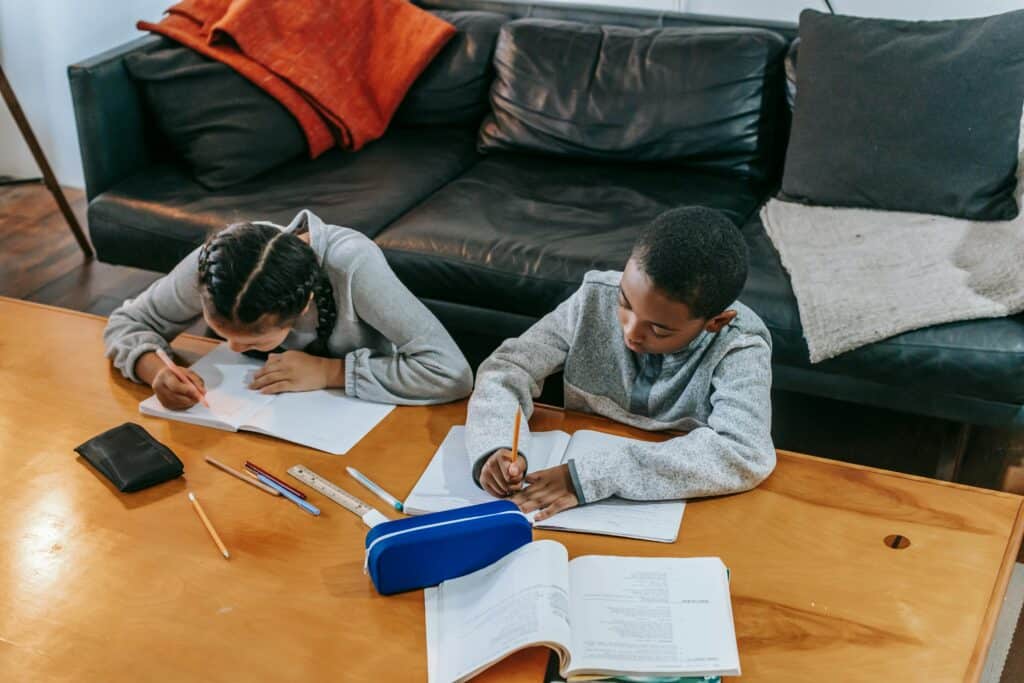
These habits matter because curiosity grows through repetition, not perfect lessons. When parents and volunteers use simple, consistent practices, kids get more chances to lead, follow interests, and stay engaged even on busy weeks.
Question of the Day
- What it is: Ask one open question, then wait five seconds before adding ideas.
- How often: Daily
- Why it helps: Kids practice thinking aloud and directing the conversation.
Notice and Name Effort
- What it is: Use specific and immediate praise for trying, adjusting, or persisting.
- How often: Daily
- Why it helps: Effort feels worth repeating, even when results are messy.
Two-Minute Curiosity Log
- What it is: Jot one “I wonder…” from your child and one next-step idea.
- How often: Weekly
- Why it helps: You spot patterns in interests and plan simple follow-ups.
Child-Led Teach-Back
- What it is: Invite your child to teach you one thing they discovered.
- How often: 3 times per week
- Why it helps: Explaining builds confidence, leadership, and clearer thinking.
Nonfiction Picture Walk
- What it is: Do a quick preview using drives them to ask questions, explore ideas before reading.
- How often: Weekly
- Why it helps: Reading feels like investigation, not assignment.
Pick one habit to try this week, then tweak it to fit your family.
Curiosity Q&A for Busy Families
When life feels full, a few steady moves can still keep learning alive.
Q: How can I maintain my own enthusiasm for learning to inspire my child effectively?
A: Keep your learning visible and bite sized, like reading two pages and sharing one takeaway at dinner. Treat setbacks as normal by saying what you will try next, which teaches persistence without pressure. Invite your child to ask you one question about what you are learning so they get to lead.
Q: What are some practical ways to create a home environment that encourages my child’s curiosity without overwhelming our daily routine?
A: Build tiny “yes spaces” like a basket with paper, tape, and a magnifier, then let exploration be a default option. Use one consistent cue such as a daily wonder question in the car or while dishes soak. When resistance shows up, focus on behaviors that make you think they’re not engaged so you respond to what you see, not what you fear.
Q: How do I recognize and nurture my child’s unique interests when I feel uncertain about what they might enjoy or excel at?
A: Watch for what they return to during free time, what they talk about unprompted, and what frustrates them in a good way. Offer two low stakes choices and notice which one pulls them in, then follow up with a library book, a short video, or a mini project. You do not need to predict a “talent,” just keep opening doors.
Q: What positive reinforcement methods work best to motivate children without adding pressure or stress?
A: Praise the process, not the person, by naming the specific action you want repeated: “You stuck with that hard part.” Keep rewards occasional and playful, like points toward choosing the family activity, so motivation stays light. When outcomes matter, celebrate effort plus a next step rather than a perfect result.
Q: As a busy parent who is also pursuing my own educational goals, how can I build a strong support system to balance my learning journey with encouraging my child’s curiosity?
A: Map your learning team: one person for childcare swaps, one for encouragement, and one for practical school communication. If you’re exploring academic support for adult learners, a strong bridge to teachers and mentors matters because family-school partnerships can support student learning, and you do not have to do it alone. Start with one message this week to ask what your child is exploring and how you can reinforce it at home.
Choose one small action today and let it build the kind of momentum your child can feel.

Build Curiosity at Home With One Small Weekly Shift
When schedules are packed and emotions run high, it’s easy for learning to turn into pressure, arguments, or shutdowns. A curiosity-first mindset, paired with patient scaffolding and a steady support network, keeps parental empowerment at the center while sustaining learning enthusiasm over time. The payoff is a home where questions feel safe, effort feels noticed, and motivating engaged learners becomes less about pushing and more about partnering. Curiosity grows when kids feel safe to wonder, not forced to perform. Choose one small change to try this week, watch what lights your child up, and practice celebrating progress as part of your family learning journey. That steady rhythm builds resilience, confidence, and connection long after any single assignment ends.
