

Parents and community volunteers see it every day in child development programs: a preschooler calming a friend, a kindergartener organizing a game, a shy child finally speaking up. The tension is that nurturing leadership skills in children can feel out of reach when early childhood development challenges show up as big feelings, uneven attention, limited staff time, or families under stress. It’s easy to assume leadership is something for older kids or the loudest child in the room. Yet the importance of leadership in youth starts with small moments that shape how children connect, communicate, and take initiative.
What Leadership Looks Like in Little Kids
Leadership in kids is not about being the loudest or “in charge.” It shows up as four everyday skills: empathy, initiative, communication, and follow-through. Early childhood growth is when these habits form through repeated, supported practice, not one big lesson.
This matters because volunteers and parents can spot leadership sooner and respond with the right kind of support. When adults reinforce these skills, kids learn to manage feelings, work with others, and stick with a task even when it is hard. Strong learning environments help too, and pedagogical training equips adults to guide those moments with steadier tools.
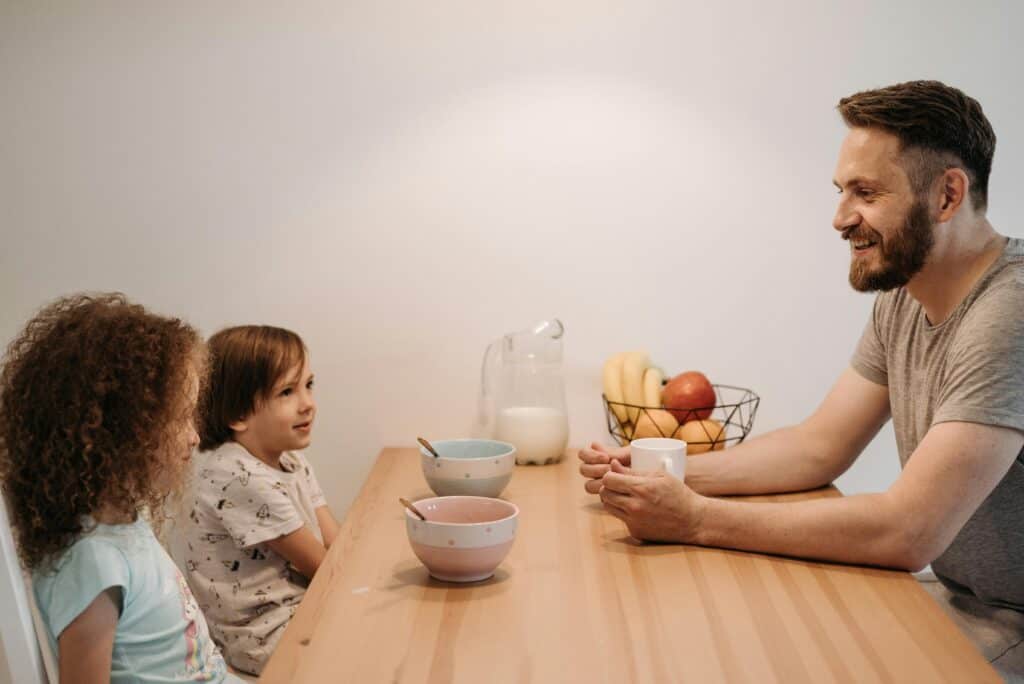
Picture snack time: one child notices a peer left out, invites them over, explains the rules, then helps clean up. That is empathy, initiative, communication, and follow-through in one small scene. With that lens, practical strategies become easier to choose and use today.

Try 7 Everyday Ways to Grow Leadership at Home and School
Leadership in little kids often looks like empathy, initiative, communication, and follow-through, not “being the boss.” Here are everyday ways to practice those skills in real life, without needing a special program.
- Lead by example in tiny, visible ways: Narrate what you’re doing when you stay calm, take turns, or fix a mistake: “I forgot the sign-up sheet, my plan is to set a reminder.” Kids learn so much when they can see the behavior, and learning through observation is one of the simplest ways to teach leadership without a lecture. When volunteers model welcoming language and respectful listening, kids copy that tone faster than we expect.
- Offer two “yes” choices to build independence: Instead of “What do you want to do?” try “Do you want to pass out napkins or stack chairs?” This keeps things manageable while still giving kids real agency. Independence fuels initiative because children start to believe, “I can handle things.”
- Set one small goal a week, and make it visible: Help a child choose a goal that’s specific and doable in 7 days: “Raise my hand once a day,” “Read to a younger sibling for 5 minutes,” or “Remember my backpack three mornings.” Write it on a sticky note or index card, then do a 60-second check-in: “What went well? What’s hard? What’s our plan for tomorrow?” This builds follow-through without perfection.
- Teach cooperation with clear roles, not vague ‘work together’: Kids cooperate better when they know exactly what to do. Before an activity, assign roles like “materials helper,” “line leader,” “time checker,” or “encourager,” and rotate them so every child practices communication and empathy. If conflict pops up, pause and reset the roles rather than scolding.
- Build responsibility and accountability with ‘own it + fix it’: When a child forgets, spills, or snaps at someone, guide them through two steps: name what happened and take one repair action. “I knocked it over. I’ll wipe it up,” or “I used a mean voice. I’ll try again.” This teaches accountability as a skill, not a shame moment.
- Practice decision-making after low-stakes moments: At pickup time or after a group activity, ask: “What were your choices? What happened after each one? What would you try next time?” Keep it short and curious. This strengthens judgment and helps kids connect decisions to outcomes, key for initiative and follow-through.
- Coach conflict resolution with ‘pause, listen, try again’: Teach a simple script: pause and breathe, say what you wanted, then listen and repeat back the other person’s point. Real listening includes understanding the emotions under the words, which is where empathy grows. Role-play it with stuffed animals, siblings, or two volunteers acting out a disagreement.
A good rule of thumb: start small, repeat often, and expect some wobble. Those “wobbly” moments, pushback, shyness, and big feelings, are usually where leadership practice gets real.

Questions Parents and Volunteers Ask Most
Q: How can parents model leadership behaviors effectively for their children?
A: Keep it visible and specific: name the value, then show the action. Try, “I’m feeling frustrated, so I’m taking a breath and trying again,” especially when plans change. If you slip, do a quick repair out loud so kids learn leadership includes recovery, not perfection.
Q: What strategies help children develop confidence in making their own decisions?
A: A common roadblock is fear of being wrong, so reset expectations: choices are practice. Offer two realistic options, let them pick, then do a short debrief about what they noticed and what they would tweak next time. Confidence grows when adults treat decisions as learnable.
Q: How can teaching responsibility and accountability impact a child’s leadership growth?
A: Responsibility turns good intentions into follow-through, which is what peers trust. Use a simple two-step fix: “own it” and “repair it,” then move on without shame. The goal is a child who can admit a mistake and still stay engaged.
Q: What are practical ways to encourage cooperative skills among siblings and peers?
A: Many conflicts come from unclear expectations, so assign roles and a shared goal before starting. When tension spikes, pause, role-play the words to use, then restart the activity with a clean slate. Skills like empathy and teamwork are part of social-emotional learning, which supports stronger peer relationships.
Q: How can parents support children who feel uncertain about their future paths or who struggle to stay motivated?
A: Start with reassurance: uncertainty is normal, and progress can be small. Create a short weekly routine with one doable goal, one support person to check in, and one “try again” plan for setbacks. It can also help to normalize that adults keep building skills too, whether that’s learning a new workflow at work, getting trained for a leadership role, or completing flexible credentials like health services management programs, so kids see that growth continues in manageable steps.
Quick Leadership Support Checklist to Use Weekly
This checklist turns good intentions into a repeatable routine you can use during tutoring, mentoring, or family events. With 66% of volunteers having decreased the amount of time they volunteer or stopped entirely due to the pandemic, small, clear steps help you stay steady for kids.
- Set one leadership goal for the week and name it aloud
- Offer two realistic choices and let the child decide
- Assign one role in a group task and rotate roles next time
- Practice “own it, repair it” after mistakes without lecturing
- Ask one reflection question: “What worked, what will you tweak?”
- Notice one effort moment and praise the specific strategy used
- Share one quick update with a caregiver to align support
Check these off once, and you have momentum.
Helping Kids Build Leadership Through Consistent, Caring Support
It’s easy to feel like kids need big moments or perfect adults to become leaders, especially when life is already full and messy. The steadier path is the one this guide has returned to again and again: show up with warmth, clear expectations, and chances for kids to practice making choices and solving problems. When parents and volunteers lean into that mindset, nurturing leadership early strengthens child well-being and growth, and the long-term benefits of leadership skills start to show up in friendships, school, and community. Leadership grows one small choice at a time. Choose one item from the checklist this week and do it consistently. That kind of empowering support builds the resilience and stability children carry forward for years.
