
For parents of young children, being stuck indoors can turn a normal day into a tug-of-war between keeping kids busy and protecting everyone’s patience. Screens may buy quiet, but many families still want indoor educational activities that support children’s learning development instead of just filling time. The encouraging part is that the right child engagement strategies can make indoor play feel purposeful and manageable, even when energy is high and attention is short. With a few shifts in how play is set up and supported, the indoor play benefits can reach beyond entertainment into real growth.
Understanding Learning Through Play Indoors
Education through play means the activity is fun and it nudges a child to think, choose, remember, and communicate. True cognitive play isn’t a time-filler; it invites kids to test ideas, notice patterns, and try again.
It matters because the learning sticks better when kids feel safe and involved, not managed. When adults join with warmth and responsivity, indoor time becomes connection time, and cooperation comes easier.
Picture a rainy afternoon puzzle: instead of silently finishing it for them, you ask which piece might fit and why. Your child practices problem-solving, and you practice listening, so both brains and relationships get stronger. That mindset makes a simple flashcard game feel like a shared win.
Build a 10-Minute Flashcard Game That Kids Ask to Replay
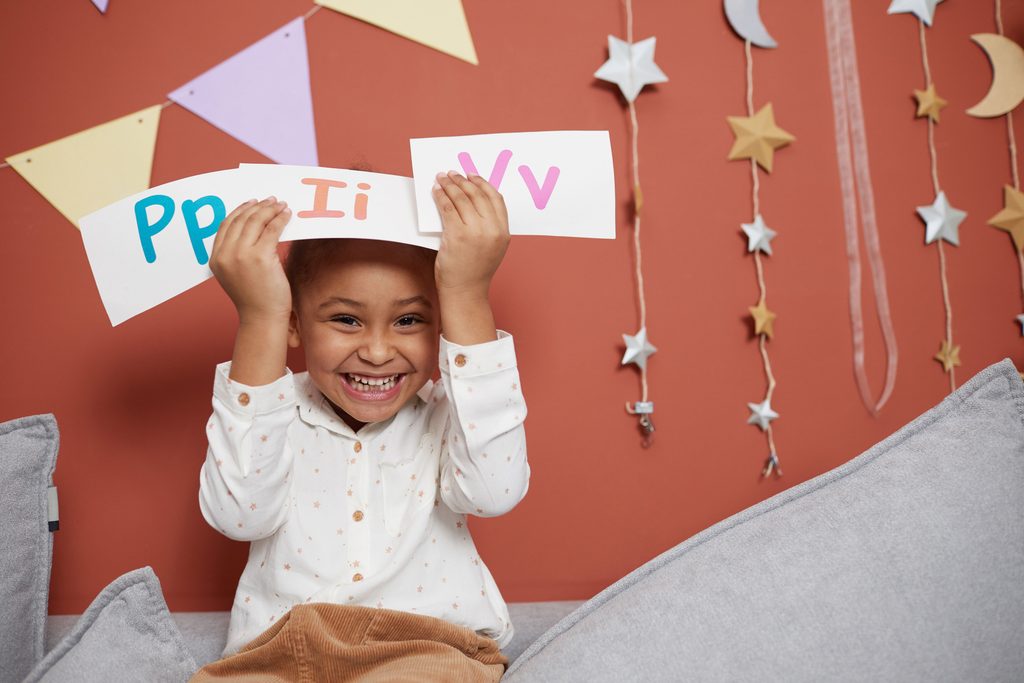
When play is the pathway, quick games that feel like family time can double as powerful practice. Flashcards are an easy way to run simple indoor learning games that keep kids engaged and hands-on while they practice vocabulary, math facts, memory recall, and other skills. Because you can shuffle, sort, and repeat cards, the same set can feel new each round, fast enough for a 10-minute burst, but meaningful enough to reinforce key concepts.
To make your own sets without starting from scratch, an AI flashcard maker can turn the materials you already have, uploaded notes, PDFs, slides, and other study resources, into organized digital flashcards. It does this by automatically identifying key terms and definitions, formulas, and other important concepts, giving you a ready-to-use stack you can swap out as your child grows. If you want a streamlined option, the best flashcard maker can help you generate those digital cards quickly.

A Simple Plan → Play → Reflect Rhythm
This rhythm keeps indoor activity planning light while still making it consistent. It helps you choose age-appropriate indoor games, prep fast, and repeat what works so learning and connection build over time.
| Stage | Action | Goal |
| Plan | Pick one skill and one mood for today. | Clear target without overplanning. |
| Match | Choose an age-appropriate game that fits space and energy. | Everyone can join and feel capable. |
| Prep | Set a 10 to 15 minute timer and gather basics. | Quick start, fewer interruptions. |
| Play | Run two short rounds, then swap roles or rules. | Practice plus laughter, not pressure. |
| Reflect | Ask: What was fun, hard, and worth repeating? | Keep the best parts and drop friction. |
| Rotate | Store a short list and cycle options to maintain interest. | Fresh variety with minimal decision fatigue. |
This loop works because each step feeds the next: planning narrows choices, the match keeps it doable, and reflection makes your next pick easier. When you need a reliable go-to, a balloon game like keep it up fits neatly into the Play stage and can be adapted for different ages.
Habits That Make Indoor Learning Stick
When you repeat a few simple practices, fun indoor learning stops feeling like a “special event” and starts feeling normal. These routines help kids know what to expect, help adults prep faster, and help family time stay playful while still teaching real skills.
Skill-of-the-Week Pick
- What it is: Choose one focus like reading, counting, or teamwork for the week.
- How often: Weekly
- Why it helps: A clear focus makes it easier to choose activities fast.
Ten-Minute Setup Sprint
- What it is: Set a timer and lay out supplies before inviting kids.
- How often: Daily
- Why it helps: Fewer pauses means kids stay engaged and cooperative.
Living-Room Challenge Course
- What it is: Build indoor obstacle courses using pillows, tape lines, and chairs.
- How often: 2 to 3 times weekly
- Why it helps: Movement boosts mood and sneaks in problem-solving.
Role-Swap Round Two
- What it is: After one round, let a child change rules or lead.
- How often: Every session
- Why it helps: Leadership practice reduces power struggles and builds confidence.
One-Question Family Debrief
- What it is: Ask “What should we keep for next time?” after cleanup.
- How often: Every session
- Why it helps: Shared reflection helps strengthen the bond through listening.
Turn Indoor Learning Into a Family Routine Kids Love
When kids are cooped up and parents are stretched thin, even motivating family activities can feel like one more task to manage. The steadier path is simple: apply indoor learning ideas through small, repeatable routines that fit real life, using practical parenting tips to notice what supports child development and what creates calm connection. Over time, those few minutes of encouraging continuous learning become less about “keeping them busy” and more about shared confidence, curiosity, and teamwork. Small routines, repeated often, are how indoor learning becomes family connection.
